
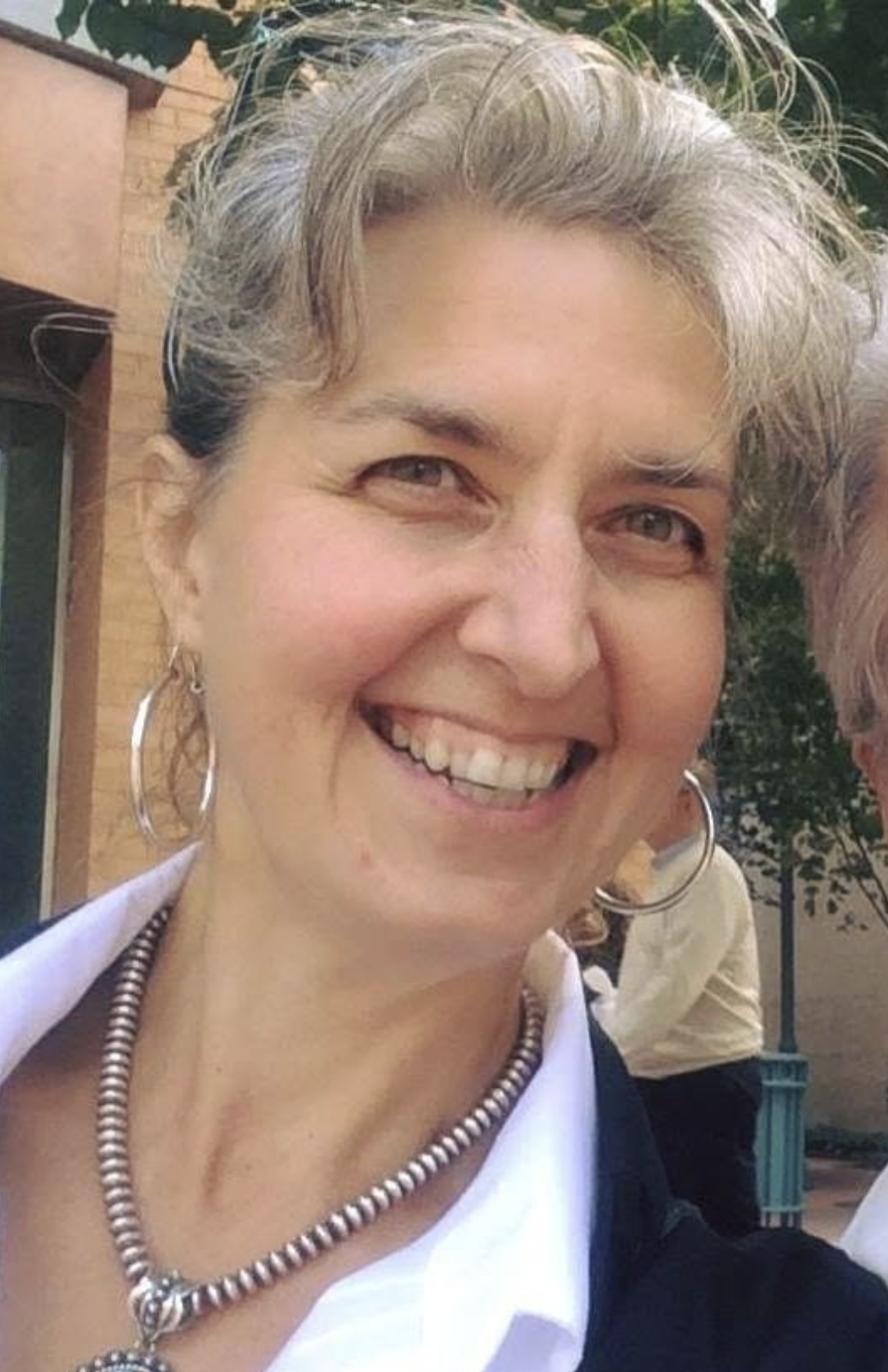
Winnie Romeril joined PBI while looking for a way to return to Latin America without a U.S. government job, and the experiences she had altered the course of her life. The democratic structure of PBI greatly enhanced what she gained from training, activism, and speaking tours. Her reflections remind volunteers the value of sharing the work of the human rights defenders they accompanied.
In the summer of 1988, a one-page handwritten trifold on purple paper came across Winnie’s internship desk at the Human Rights Office of the National Council of Churches in NYC. It announced the first ever North America PBI Orientation Weekend in Albany NY. She asked around the office to see if PBI was reputable. Winnie was 21 years old and just returned from a year studying abroad in Colombia, looking for a way to return to Latin America without taking a US government job. Seasoned human rights advocates said, “PBI? I don’t remember hearing anything BAD about them, so that’s a plus. Why don’t you go check them out and tell us what you find?”
“What I found that weekend changed the course of my life. I was captivated by these people who doggedly pursued a dual nonviolent and non-partisan strategy to safeguard civilian activists under threat.”
Twenty-five or so curious people like Winnie gathered for that first PBI Orientation Weekend at Albany’s Quaker Meeting House. She remembers introductions happening in a big circle. The facilitators sat sprinkled throughout the circle.
“This struck me immediately as a different way of doing things: nonbierarchical, decentralized, egalitarian.”
The group learned about PBI’s work from former volunteers, such as Liam Mahony, Karen Beetle, Carolyn Mow and John Lindsay-Poland, who led us through vivid role-plays and participatory activities. In one role-play, Winnie got to be on the death squad. It was ridiculously easy to kidnap our target when no one was ready for it. Yet we were just amateurs with 5 minutes of prep! We changed roles and repeated the scenario. This time, as people on the look-out for a threat, they foiled the kidnapping attempt. During the last session, Liam made an impassioned speech about becoming part of PBI and offered a colorful hand-woven Guatemalan purse for a $75 donation, which would support the Emergency Response Network and help cover the costs of a volunteer protecting an activist. By this point, more than anything, Winnie wanted to join PBI. What better way to show her new friends that she was serious about it? She wrote the check.
In the coming year, Winnie attended meetings in the homes of PBI volunteers, set up a PBI speaker at her college campus, and attended a volunteer training in Quebec. She was accepted to join the team, but due to her young age, had to defer for a year. Meredith Larson and Rusa Jeremic, two of Winnie’s friends from the training, joined the Guatemala Team just a few months after the team received death threats in May 1989 for accompanying Rigoberta Menchu, years before she won the Nobel Prize. In July, the PBI house and GAM offices were bombed; later that year, both Meredith and Rusa were knifed in a clear attempt to drive PBI out the country.
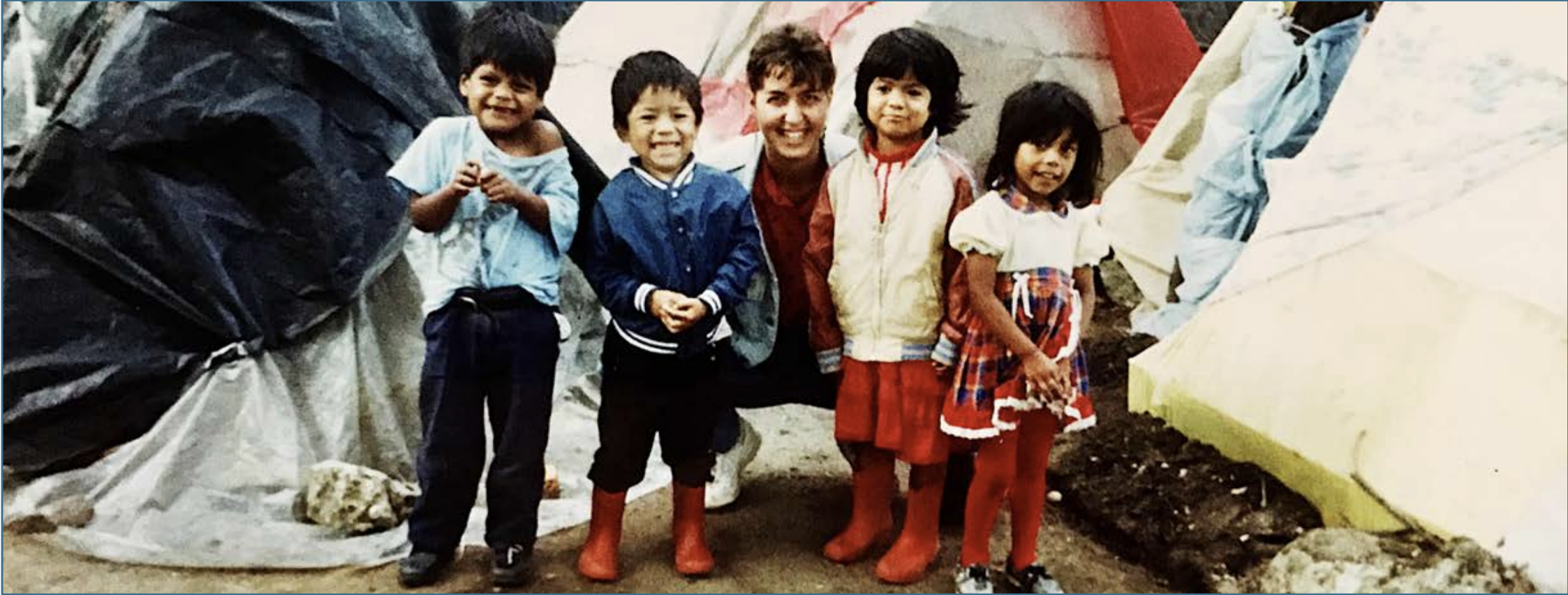
“PBI’s work never felt so important.”
PBI USA’s growing band of supporters in the U.S. lobbied Congress for support. As a result of many efforts- and because of continued requests from Guatemalan activists who still felt safer with PBI volunteers than without- the team remained in place with stronger political backing than before. Winnie ultimately joined the team 5 months after that last attack, staying for a year and a half. PBI had just changed their policy requiring all volunteers to serve at least 6 months (previously there had been hundreds of “short-term volunteers” for as little as 2 weeks).
It was rare on the team for someone to have strong connections to a country group back home. So, she got nominated to liaise with Rachel Heckscher and Randy Divinski (PBI-USA staff) for production of the PBI Bulletin. When Winnie returned home, Randy organized a 6-week speaking tour, including over 60 talks and interviews.
“I always tell PBI volunteers that going on tour is good therapy - you get to talk nonstop to captive audiences about the amazing activists you accompanied. It assuages the guilt of having left the team.”
In every town, Winnie stayed at the home of a PBI contact. They often drove her to the next city on the tour. And in keeping with tradition, at the end of every talk Winnie would invite people to join PBI by making a donation in exchange for a pretty handmade gift from Guatemala.